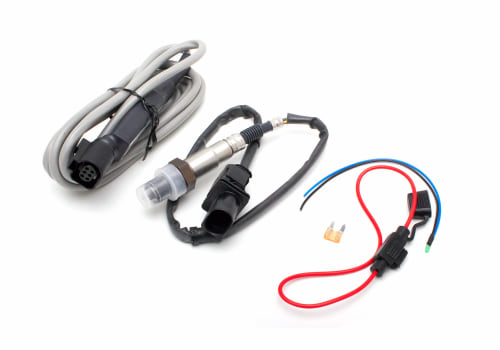
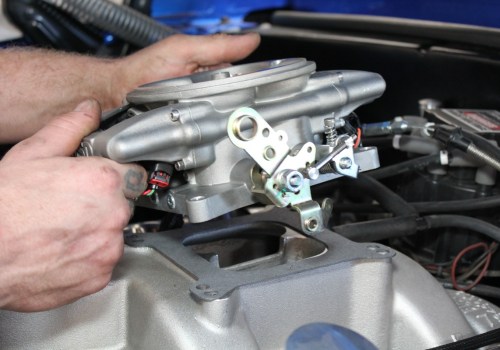
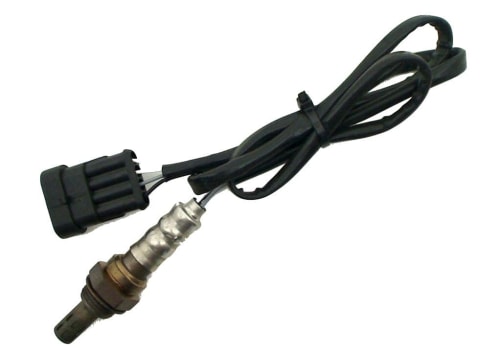
Electronic Fuel Injection (EFI) tuning plays an important role in optimizing modern vehicle performance by adjusting how fuel and air are delivered to the engine. Unlike traditional carburetor systems, EFI technology uses electronic sensors and an engine control unit (ECU) to regulate fuel delivery under different driving conditions. Proper tuning allows technicians to refine engine parameters, potentially improving throttle response, power delivery, and overall drivability. Understanding these adjustments helps vehicle owners make informed decisions about performance modifications.
Improving Throttle Response and Acceleration
Throttle response refers to how quickly an engine reacts when the driver presses the accelerator pedal. Delayed or inconsistent responses can make driving feel less predictable, particularly during acceleration or overtaking. EFI tuning can improve responsiveness by adjusting throttle mapping, fuel delivery, and other electronic parameters. These modifications help coordinate engine operation with driver inputs, creating smoother acceleration. However, results depend on engine design, existing modifications, and the quality of the tuning process.
Maximizing Engine Power and Efficiency
One significant advantage of EFI tuning is its ability to optimize engine performance across different operating conditions. Technicians can adjust ignition timing, air-fuel ratios, and related settings to improve combustion efficiency and power delivery. Performance improvements may be especially noticeable in vehicles equipped with compatible aftermarket components. Professional calibration is essential because aggressive adjustments can increase engine temperatures, cause excessive mechanical stress, or affect emissions compliance. Properly balanced tuning prioritizes reliable performance rather than simply maximizing horsepower.
Maintaining Reliability After Performance Modifications
Vehicle owners should consider long-term reliability before introducing significant engine modifications. Changes to fuel delivery and ignition settings may place additional demands on cooling systems, transmissions, and other mechanical components. Regular inspections and diagnostic evaluations help identify potential issues before they become serious. When unexpected mechanical failures occur, professional assistance from providers such as Road Angel Towing and Roadside Service can help motorists address roadside emergencies and arrange vehicle recovery. Maintaining access to dependable roadside support is particularly valuable for drivers operating modified vehicles.
Choosing Professional Tuning for Consistent Results
Successful EFI tuning requires specialized equipment, technical knowledge, and careful testing. Qualified technicians typically evaluate engine condition, analyze diagnostic information, and use appropriate calibration tools to establish suitable performance settings. Dynamometer testing and monitored road evaluations can help verify improvements while identifying potential concerns. Vehicle owners should also confirm that modifications comply with applicable emissions regulations and manufacturer requirements. By prioritizing professional installation, responsible calibration, and preventative maintenance, drivers can enjoy improved throttle responsiveness and more consistent engine power delivery while protecting vehicle reliability.